
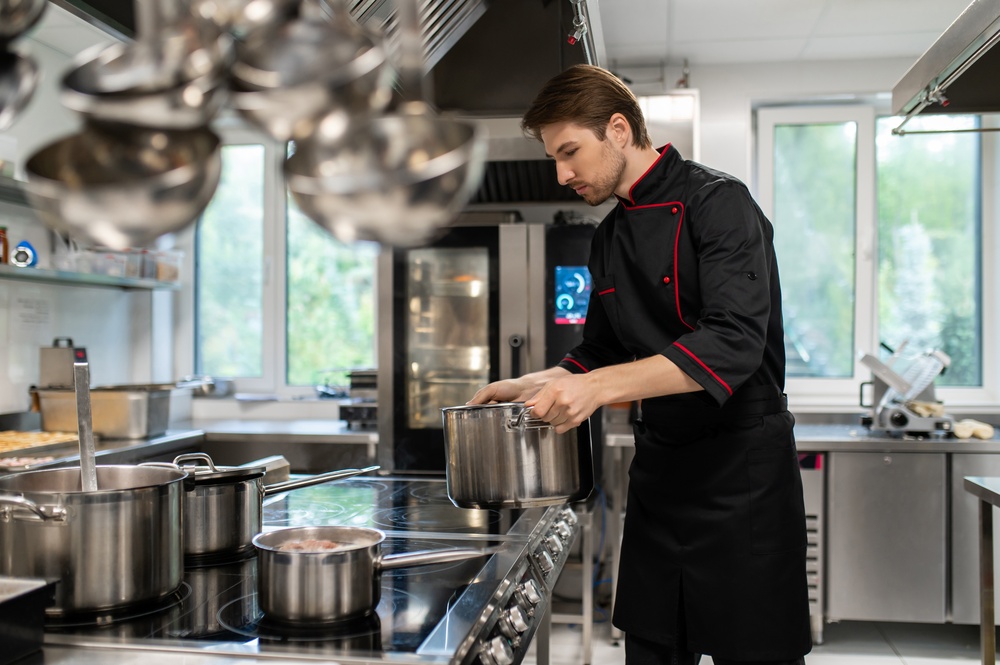
Evening Courses in Hospitality and Culinary Arts: Develop Your Skills in Food and Hospitality
The hospitality and culinary arts industries offer a wide range of opportunities for people who enjoy working with food, delivering excellent customer service and creating memorable experiences. From professional kitchens and restaurants to hotels, catering businesses and event venues, skilled staff play an important role in this diverse sector.
For people who want to explore a new interest, develop practical cooking abilities or gain skills for a career in hospitality, evening courses provide a convenient way to learn alongside existing work and personal commitments. Training can cover everything from essential cooking techniques and food preparation to baking, food safety, restaurant service and hospitality management.
Why Choose an Evening Course in Hospitality?
Evening courses can make practical training more accessible to people who are already working or have other daytime commitments. They offer an opportunity to develop new skills without necessarily having to change an existing routine.
For someone considering a career in hospitality, an evening programme can provide an introduction to the industry and help identify areas of particular interest. Those already employed in restaurants, hotels or catering may use further training to strengthen their knowledge, improve their performance or prepare for additional responsibilities.
Courses are also suitable for people who simply enjoy cooking and want to become more confident in the kitchen. Learning new techniques can turn a personal interest into a rewarding hobby, while providing skills that can be used at home and shared with others.
Culinary Arts Courses: Building Confidence in the Kitchen
Culinary arts training introduces learners to the techniques, ingredients and processes involved in preparing food. Courses vary in level, from introductory classes for beginners to more specialised programmes for people with previous experience.
Common areas of study include:
Basic Cooking Skills
Introductory cookery courses are a useful starting point for anyone who wants to improve their kitchen confidence. Learners may explore knife skills, food preparation, cooking methods, seasoning, ingredient selection and kitchen organisation.
Practical sessions can help participants understand how to prepare balanced meals, follow recipes and work safely with different ingredients and equipment.
Professional Cookery
Professional cookery courses provide more structured training in kitchen techniques and food preparation. Depending on the programme, learners may study menu planning, food presentation, stock preparation, sauces, meat and fish preparation, and the organisation of kitchen operations.
These skills can provide a foundation for people interested in working in restaurants, hotels, catering or other food service settings.
Baking and Patisserie
Baking courses appeal to people interested in bread making, cakes, pastries and desserts. Training may cover ingredient selection, mixing methods, dough preparation, decoration and presentation.
More specialised patisserie courses can introduce advanced techniques used in professional kitchens and bakeries.
International Cuisine
Exploring international cooking styles is another way to develop culinary skills. Courses may focus on particular cuisines, ingredients and traditional preparation methods, giving learners the opportunity to experiment with new flavours and recipes.
These programmes can be particularly appealing to food enthusiasts who want to expand their cooking repertoire.
Hospitality Training Beyond the Kitchen
Hospitality involves much more than food preparation. Restaurants, hotels, cafés, bars and event venues rely on staff with strong communication, organisational and customer service skills.
Evening training can help learners develop knowledge in several areas.
Food and Beverage Service
Food and beverage courses explore the practical requirements of serving customers in restaurants, cafés and other hospitality settings. Topics may include table service, taking orders, menu knowledge, customer communication and service standards.
Food Safety and Hygiene
Food safety training is essential for people involved in preparing, handling, storing or serving food. Courses may cover food contamination, temperature control, cleaning procedures, safe storage and personal hygiene.
Understanding these principles helps protect customers and supports safe working practices in food businesses.
Barista and Coffee Skills
Coffee preparation has become an important skill across cafés, restaurants and hotels. Barista training may introduce learners to espresso preparation, milk steaming, coffee equipment, drink presentation and customer service.
Hospitality Management
Management courses can help people develop the skills required to supervise teams and coordinate hospitality operations. Topics may include staff management, customer experience, budgeting, stock control, service standards and business operations.
Who Can Benefit from Hospitality and Culinary Arts Training?
Evening hospitality and cookery courses attract people with different interests and ambitions.
- Beginners: Learn basic cooking techniques and develop confidence in the kitchen.
- Career changers: Explore hospitality as a possible new professional direction.
- Hospitality employees: Strengthen existing skills and prepare for greater responsibility.
- Food enthusiasts: Develop specialist interests in baking, international cuisine or professional cookery.
- Aspiring business owners: Gain useful knowledge for starting a café, catering service, bakery or food-related business.
Some courses are designed for people with no previous experience, while others have specific entry requirements. Checking the programme details before applying will help ensure the training is appropriate for your current skill level.
What to Consider When Choosing an Evening Hospitality Course
With different subjects, course formats and qualification levels available, it is worth comparing programmes before making a decision.
Practical content: If your main goal is to improve your cooking, look for courses with substantial hands-on kitchen experience. For hospitality roles, consider programmes that include customer service and operational skills.
Course level: Beginners may prefer an introductory programme, while experienced learners could benefit from more advanced or specialist training.
Facilities and equipment: Practical cookery and baking courses may require access to professional kitchens, specialist equipment and ingredients. Check what is provided by the course organiser.
Qualifications: If you are seeking a career in hospitality, consider whether the programme leads to a recognised award or provides training relevant to your intended role.
Schedule and duration: Check the evening timetable, number of sessions and overall commitment required to make sure the course is manageable alongside your other responsibilities.
Turning a Passion for Food into New Opportunities
Hospitality and culinary arts combine practical abilities with creativity, organisation and people skills. Training can provide a starting point for someone exploring the sector, as well as an opportunity for existing professionals to develop their expertise.
For some learners, an evening cookery course may simply be a chance to enjoy a new hobby. Others may use their training to pursue opportunities in professional kitchens, catering, food service, hotels or hospitality management.
Whatever your motivation, learning new techniques and gaining practical experience can be a rewarding way to develop your interests and skills.
Find Evening Hospitality and Culinary Arts Courses
From beginner cookery and baking to professional food preparation, food safety and hospitality management, there are many subjects to explore.